


How can an organization give people the freedom to learn from anywhere and still preserve the spark that only happens when humans share the same room?
That tension—between flexibility and connection—is no longer a theoretical debate. It’s a real, everyday challenge for learning leaders caught between the rigidity of traditional classrooms and the emotional distance of fully digital programs.
Today, balance isn’t a “nice to have.” It’s a prerequisite for sustainable growth.
In this article, we place Remote Learning on one side of the scale and In-Person Training on the other, and explore how thoughtfully designed hybrid programs are redefining the future of learning—not as a compromise but as a strategic advantage.
Beyond Logistics: Why Hybrid Design Is a Human Investment?
Choosing a learning methodology isn’t an administrative checkbox. It’s a statement about how much an organization values its people—their time, their energy, and their potential to make a real dent in the world.
Learners want to feel seen. They want to know their effort matters and their growth is intentional.
The future doesn’t belong to screen-bound routines or to rooms limited by four walls. It belongs to a hybrid experience that blends flexibility, psychological safety, and genuine human connection—the very elements many professionals quietly miss.
Before learning speaks to the intellect, it must resonate with the human spirit.
The Strengths at a Glance: What Each Modality Brings to the Table?
|
Comparison Dimension |
In-Person Training |
Virtual Training |
|
Core Strength |
Body language and deep social connection |
Learn from anywhere with reduced costs |
|
Interaction |
Physical activities and live, hands-on workshops |
Access to global experts and advanced digital tools |
|
Responsiveness |
Immediate feedback and close emotional awareness |
High flexibility with on-demand recorded content |
The Integration Formula: Designing Content That Breathes
Picture this: learners absorb concepts on their own time, in quiet moments of focus. Then, when they come together in the room, that stored energy ignites—turning into debate, reflection, and shared insight.
This isn’t accidental. It’s an intentional design.
According to LinkedIn Learning’s Workplace Learning Report, learner engagement increases by 35% when programs strike this balance. That lift comes from Blended Learning—an approach that treats learning as a human experience, not just a content delivery system.
Theory becomes a digital companion.
In-person time becomes unforgettable.
Flipping the Classroom to Ground Confidence Before Practice
Great learning design never leaves people feeling lost or overloaded. It builds confidence step by step—so learners arrive ready, not anxious.
That’s where the Flipped Classroom model shines. Foundational knowledge is explored virtually, freeing in-person sessions for application, challenge, and growth.
This approach aligns seamlessly with the 70–20–10 Model, validated by the Center for Creative Leadership, which shows that 70% of professional growth comes from real-world experience. Hybrid programs excel here—merging virtual preparation with live practice to develop leaders who carry both competence and conviction.
"A successful hybrid program is not about livestreaming an in-person lecture. The secret lies in allocating self-paced digital learning for theoretical concepts, and dedicating in-person time to deep discussions, simulations, and relationship-building—achieving both cost efficiency and depth of impact."
The Human Friction Points of Hybrid Learning—and How to Resolve Them
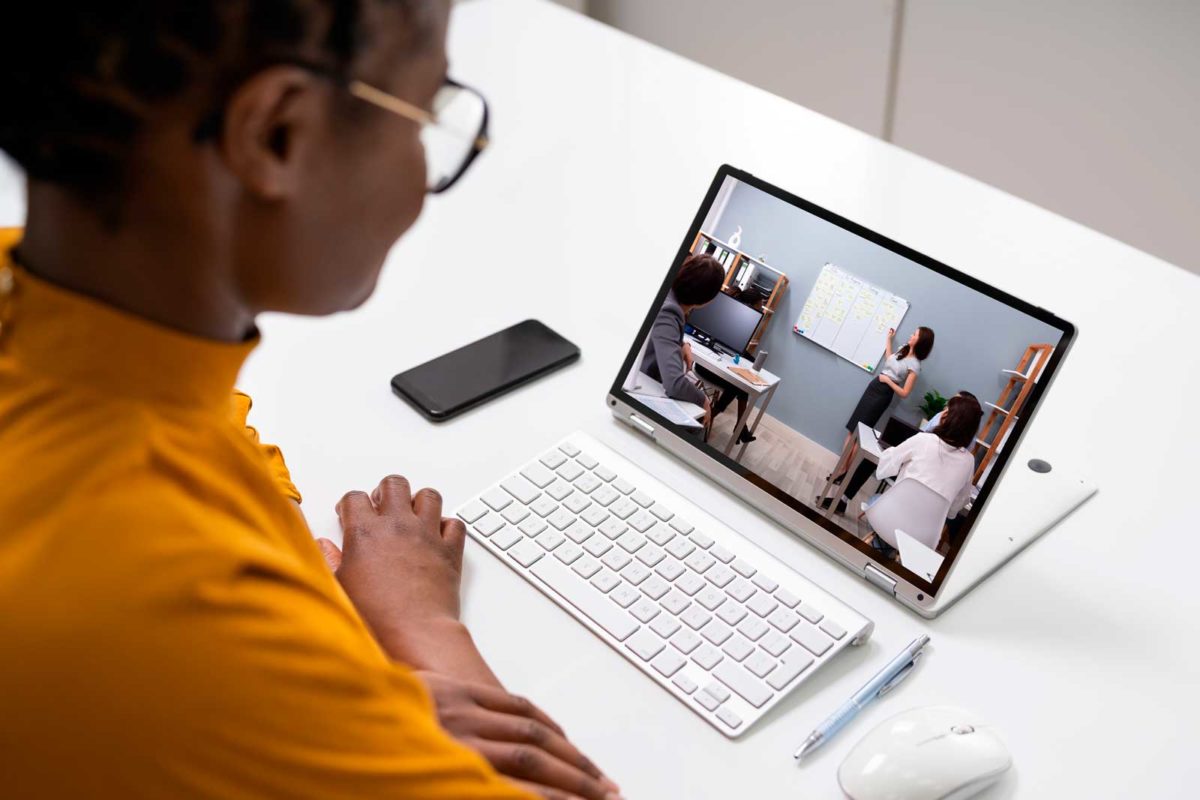
Even the best hybrid strategies can fall flat if the human experience is uneven. Below are the most common friction points—and how smart design neutralizes them.
1. The Experience Gap
- The Challenge: Remote participants often feel like passive observers behind a screen. The Hybrid Employee Experience study found that 43% of remote learners feel disconnected from colleagues attending in person.
- The solution: Appoint a dedicated Hybrid Facilitator whose sole responsibility is to represent remote participants—monitoring engagement, managing digital interaction, and ensuring their presence is felt emotionally, not just technically.
2. Digital Fatigue
- The challenge: Extended screen time drains energy and dulls focus, turning learning into mental noise rather than growth.
- The solution: Design virtual sessions with intention—shorter durations, active breaks, and rhythm changes that allow the mind to reset and return energized.
3. Unexpected Technical Issues
- The challenge: Audio or video failures fracture attention and momentum. Studies show technical interruptions can cause up to 30% loss of focus in the minutes that follow.
- The solution: Always prepare a clear Plan B—and invest in high-quality audio systems that keep ideas flowing without friction.
"The greatest challenge in hybrid training is the unequal experience of in-person and remote participants. Overcoming it requires assigning a dedicated remote facilitator, using advanced audio technology, and designing activities that demand meaningful collaboration between both groups."
Tools and Techniques to Supercharge Learner Engagement in Hybrid Training Programs
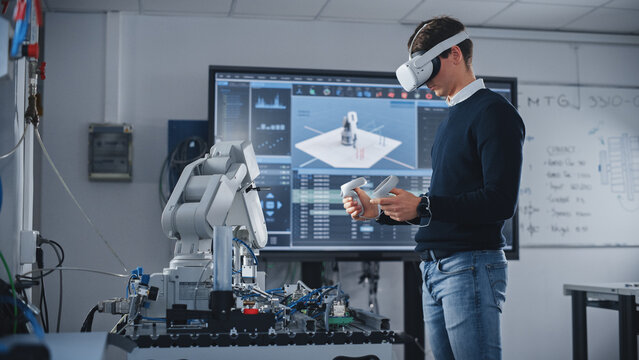
At the heart of every learning experience lies connection. For learners to feel that their participation truly matters, they need to see the impact of their contributions come to life. The right tools can transform this abstract sense of engagement into a tangible, energizing reality.
1. Real-Time Collaboration: Leveling the Playing Field
Digital whiteboards give every participant—near or far—the same opportunity to express creativity. Imagine an in-room learner sketching ideas on their smartphone while a remote colleague contributes from a laptop, co-creating a single, shared canvas of insight.
Organizations like Meta rely on platforms such as:
- Miro
- Mural
These tools transform collaboration from passive observation into active creation, giving every learner a voice—no matter their location.
2. Live Polls: Turning Silence into Spark
Nothing engages learners faster than a question that invites immediate input. Platforms like Mentimeter bring opinions to life with live visual charts, instantly transforming attendees into co-creators of the session rather than passive listeners.
A well-timed poll can break the ice, spark debate, and make learners feel that their perspectives matter to the group—and to the learning outcomes.
3. Breakout Rooms: Intimacy in a Hybrid World
Genuine human connection thrives in smaller, focused spaces. Hybrid breakout sessions pair in-person participants with online colleagues for one-on-one or small-group discussions.
The result? Bridging distances, strengthening team spirit, and dissolving the barriers that often make remote participants feel “on the outside looking in.”
"To increase engagement in hybrid environments, apply tool equity. Have in-room participants use their phones to access the same digital whiteboard (such as Miro) or polling system used by remote learners. A single interaction point ensures everyone participates on equal footing."

Measuring Performance in Hybrid Training: From Presence to Impact
The end of a session doesn’t mark the end of learning. Real success emerges when learners apply their knowledge confidently in the real world. Measuring hybrid training isn’t about tracking attendance—it’s about confirming that the learning has reached both hearts and minds.
1. Beyond Attendance: Tracking True Engagement
Logins or classroom check-ins don’t capture authentic engagement. It’s measured in active participation, quality contributions, and meaningful interaction with peers and facilitators.
Digital analytics help us ask the right question: not “Who attended?” but “Who truly participated?” Engagement metrics mirror the quality of content design and its ability to meet learners’ human and professional needs.
2. Behavioral Impact Assessment: Skills That Stick
The ultimate goal of hybrid learning is equal opportunity for growth, whether learners are in the room or logging in remotely. Success is measured not by location, but by how effectively learners apply what they’ve learned. Well-designed hybrid programs intentionally connect virtual theory with in-person practice to ensure consistent skill development.
3. Comparing Outcomes (A/B Testing)
Fairness in blended education requires close monitoring of potential gaps to ensure no group falls behind due to the delivery medium. This is achieved by comparing test results or performance outcomes between in-person and remote cohorts. Such comparisons help continuously refine hybrid training programs, making them more inclusive and equitable for all.
Case Study: IBM
IBM offers a standout example of measuring hybrid performance at scale. Faced with the challenge of consistently training thousands of employees, the company implemented Digital Badges, linking learning directly to real-world application. Internal studies showed that hybrid programs accelerated skill acquisition, validating a balanced, technology-enabled approach.
"Measuring hybrid training performance requires data from two streams: digital engagement metrics (participation rates, micro-assessment results) and on-the-job behavioral impact. Comparing outcomes between in-person and remote groups is essential to ensure there is no bias in learning quality."
The Human-Centered Hybrid Advantage
Success in hybrid learning isn’t about choosing digital over in-person—or vice versa. It’s about placing human needs above spatial or technical constraints. Thoughtful integration creates experiences that combine flexibility with meaningful connection, transforming each session into a bridge toward a more impactful and sustainable learning future.
Are you ready to design your next training program with intention, passion, and a human-first mindset?
FAQs
1. What is the difference between Hybrid and Blended Training?
Blended training mixes online and in-person methods, but not necessarily at the same time. Hybrid training brings learners together simultaneously, with some attending in person and others joining remotely.
2. What is the ideal ratio between in-person and remote participants?
There’s no fixed formula. Aim for balanced groups, or design activities to prevent in-person participants from overshadowing remote learners.
3. Is hybrid training more cost-effective than entirely in-person training?
Hybrid programs can reduce travel and accommodation costs, but they require investment in technology and smart classroom infrastructure to ensure a high-quality experience.
This article was prepared by trainer Manal Kamel, an ITOT certified coach.


