


Are we ready for the next big shift in how we learn and teach? Picture a training program that feels tailor-made—more “built for you” than “one-size-fits-all.” Thanks to artificial intelligence, this isn’t science fiction anymore. It’s happening right now.
And with AI projected to add nearly $15.7 trillion to the global economy by 2030, preparing trainers to work with AI is no longer optional—it’s a strategic priority. The payoff? Faster growth, deeper engagement, and learning experiences that feel as personal as a conversation across your favorite café table.
How AI Is Rewriting the Rules of Trainer Preparation?
Artificial intelligence isn’t just a new layer of tech—it’s a full-on rewrite of how trainers design, deliver, and elevate learning. The heart of this shift is simple: AI puts the learner at the center of the experience.
Here’s how AI-powered tools are reshaping the field:
- Personalized, Adaptive Learning: AI adjusts content and teaching styles for every individual—giving each learner a customized path that actually sticks.
- Data-Driven Continuous Improvement: With performance analytics, AI helps trainers pinpoint knowledge gaps and refine programs with precision.
- Scalable Interactive Content: Need simulations, scenarios, or intelligent chatbots? AI can generate high-quality interactive material in a fraction of the time.
- Alignment with Labor Market Needs: By analyzing workforce trends, AI enables training programs to stay relevant and skill-focused.
- Fueling Lifelong Learning: Specialized courses, frequent updates, and diverse resources support an ongoing learning journey.
- Inclusive, Accessible Experiences: AI translates, adapts, and removes barriers, enabling learners worldwide to thrive.
- Less Admin, More Impact: Automating routine tasks frees trainers to focus on coaching, mentoring, and facilitating deeper learning.
How Has IBM Leveraged AI in Trainer Preparation?
IBM stands as one of the leading examples of how AI can elevate trainer preparation. The company integrates AI-driven platforms across global training programs to help sales teams and engineers stay ahead of emerging technologies.
These platforms rely on AI to analyze both trainer and trainee performance—then generate personalized recommendations to sharpen instructional skills. For instance, AI reviews recordings of training sessions to highlight areas of strength, spot delivery gaps, and suggest tailored exercises that improve communication or facilitation.
The outcome? More confident trainers, more efficient sessions, and a consistently high learning experience across the organization.

Analyzing Trainee Data to Design Unique Learning Pathways
One of the most transformative benefits of AI is its ability to decode learner behavior and translate it into actionable insights. Trainers no longer need to rely solely on intuition—AI provides them with a clear, data-driven picture of how each person learns.
AI gathers and analyzes data from:
- Assessment performance: Correct answers, common mistakes, time spent—everything contributes to spotting learning gaps.
- Content interaction: Reading time, video engagement, and repeated reviews reveal areas of interest or difficulty.
- Learning style preferences: Patterns indicate whether a learner leans toward visual, auditory, or hands-on learning.
- Platform behavior: Pages visited, resources clicked, chatbot questions—each interaction adds context.
- Background knowledge: Combining experience and prior learning enables trainers to calibrate the starting point effectively.
What Does This Analysis Offer Trainers?
Based on this comprehensive analysis, AI provides trainers with actionable insights that allow them to:
- Design precise, personalized learning paths: AI highlights exactly where learners struggle and recommends modules, exercises, or advanced challenges as needed.
- Adapt teaching methods and feedback: Trainers adjust their approaches based on learners' preferred learning styles, offering targeted and timely coaching.
- Spot trends and upgrade programs: Group-level analytics reveal patterns that help improve entire training curricula.
The Trainer’s Evolving Role in an AI-Driven World
1. Shifting From Instructor to Facilitator and Mentor
As AI takes over repetitive tasks and content delivery, the trainer’s job shifts toward human-centered work—facilitating experiences, sparking insight, and building real learning communities.
Their new role includes:
- Guiding learners through information overload: Helping them separate signal from noise in a world overflowing with AI-generated content.
- Building critical thinkers: Encouraging deeper analysis, thoughtful questioning, and creative problem-solving beyond what AI can offer.
- Cultivating meaningful discussion: Creating spaces for dialogue, reflection, and shared experience—elements no algorithm can replicate.
- Offering emotional support: Confidence, motivation, reassurance—these human elements remain irreplaceable.

2. Developing Trainer Skills for AI Integration
Alongside their role as facilitators, trainers must develop new competencies to work effectively with AI technologies. As AI tools become more widespread, mastering them becomes crucial to ensuring personalized learning and fulfilling the vision of future training.
Key competencies include:
- Understanding AI and its applications
- Mastering AI-driven content creation and customization tools
- Analyzing trainee data
- Interacting with AI systems
- Navigating ethical challenges
Challenges and Opportunities of AI in Trainer Development
AI-powered trainer development opens the door to a new era of personalized learning—and it’s quickly becoming a defining force in the future of education. However, as with any disruptive technology, the rise of AI tools presents real challenges that demand responsibility, transparency, and steady leadership. Here are the most pressing issues shaping this shift:
Ethical and Privacy Challenges
1. Trainee Data Privacy
To deliver truly personalized training, AI collects large volumes of sensitive learner data. And with that comes a real risk of misuse or unauthorized access. Organizations must establish robust data governance policies, comply with global and local regulations, and maintain complete transparency. Trust isn’t a nice-to-have here—it’s the whole ballgame.
2. Bias and Unfair Algorithms
AI learns from the data it’s fed. If that data reflects historical biases, the system will echo those biases in its recommendations and assessments. That’s why continuous auditing of algorithms and datasets is essential. Trainers and developers share the responsibility to ensure fairness, equity, and representation.
3. Accountability and Transparency
As AI tools take on more decision-making in training, one challenge becomes non-negotiable: understanding how those decisions are made. AI’s “black box” problem creates fundamental accountability gaps. Clear explanations, transparent documentation, and assigned responsibility for errors help build trust and enable informed human intervention.
4. Impact on the Trainer–Trainee Relationship
AI brings speed, accuracy, and scale—but it can never replace human connection. Empathy, mentorship, and emotional support are uniquely human. Overreliance on automation risks weakening this bond. The real challenge is striking a balance: leveraging AI’s efficiency while preserving the relational core of the learning experience.
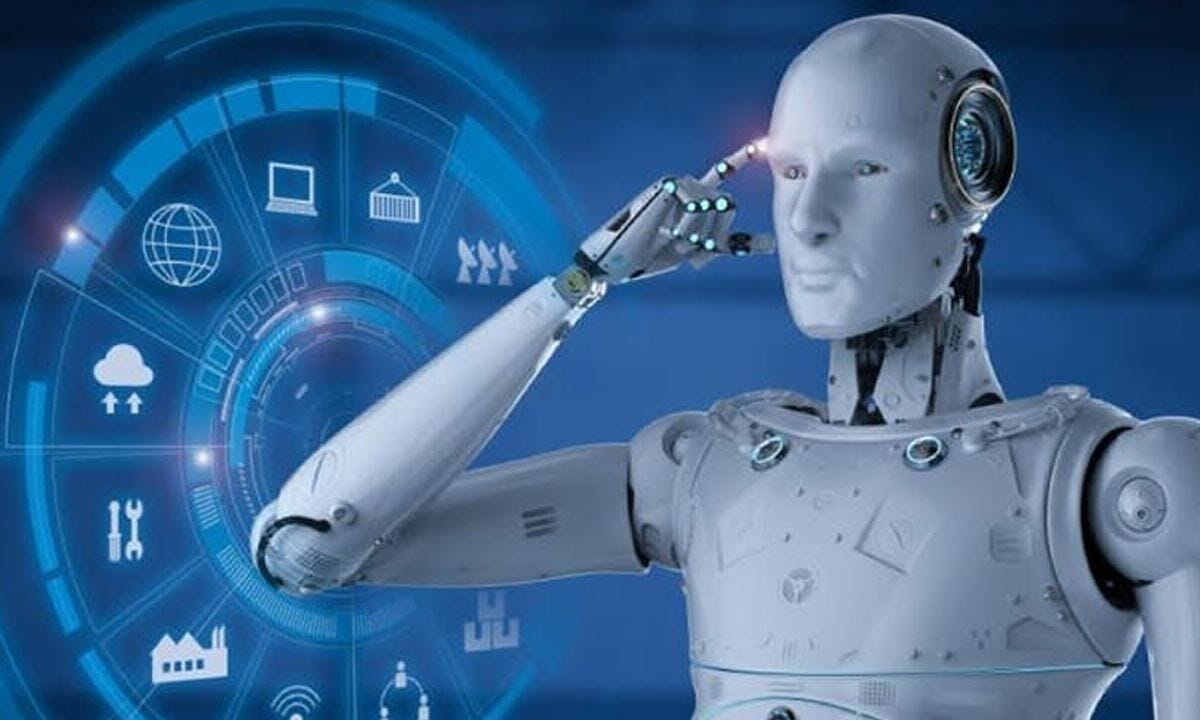
The Future of Trainer Development with Artificial Intelligence
The rise of AI doesn’t signal the end of the human trainer—it signals a shift in their value. As AI automates repetitive tasks and delivers personalized content at scale, trainers evolve into architects of learning environments and catalysts for human development.
According to the World Economic Forum’s Future of Jobs Report 2023, nearly half of the core skills required for jobs today will change in the next five years. AI and big data skills top the list of fastest-growing competencies. The message is clear: organizations must invest aggressively in reskilling and upskilling their employees.
In this transition, trainers play a pivotal and irreplaceable role.
Here’s what the future looks like:
1. A Focus on Unique Human Competencies
AI can draft content and analyze data—but it can’t replicate the human qualities that make learning meaningful. Trainers will double down on areas where humans shine: leadership, empathy, advanced critical thinking, creative problem-solving, coaching, relationship-building, and the soft skills that fuel innovation and teamwork.
2. Designers and Orchestrators of Learning Experiences
Tomorrow’s trainers won’t just “deliver” content. They’ll design dynamic learning journeys. Using AI insights, they’ll curate the right mix of AI-generated material, human-created resources, and experiential activities—creating deeply personalized, immersive programs. Think of them as learning producers or directors, orchestrating everything behind the scenes for maximum impact.
3. Experts in Learning Analytics and Data Interpretation
AI will handle data collection, but trainers will interpret the story behind the numbers. They’ll identify knowledge gaps, uncover patterns, predict future learning needs, and adjust strategies in real time. The trainer becomes part analyst, part strategist, and part coach.
4. Ethical and Responsible Supervisors
As AI adoption grows, trainers become the ethical compass of learning environments. They’ll ensure tools are fair, unbiased, and privacy-compliant—and lead conversations about responsible AI use. Their role will set the tone for transparency and accountability.
5. Continuous Learners Who Adapt and Evolve
AI moves fast, and trainers must keep pace with it. Staying current on emerging tools, refreshing methodologies, and experimenting with new technologies will be essential to remain effective and credible. The trainers who thrive will be the ones who treat learning as a lifelong habit—not a checkbox.
Stepping Into a New Era of Training
AI is reshaping the training landscape—transforming content creation, enriching data analysis, and elevating the trainer’s role to new strategic heights. However, this evolution requires thoughtful leadership, ethical vigilance, and a commitment to striking a balance between innovation and accountability.
The moment to act is now. This isn’t just a technological shift; it’s a historic opportunity. Build your AI skills, strengthen your strategic capabilities, and position yourself at the forefront of this transformation.
The future of training is being written today.
The question is: Are you ready to help lead it?
This article was prepared by trainer Manal Kamel, an ITOT certified coach.


